A Daughter (and Another)
Before I talk about the house fire, I will discuss Amanda’s birth and subsequent medical complications.
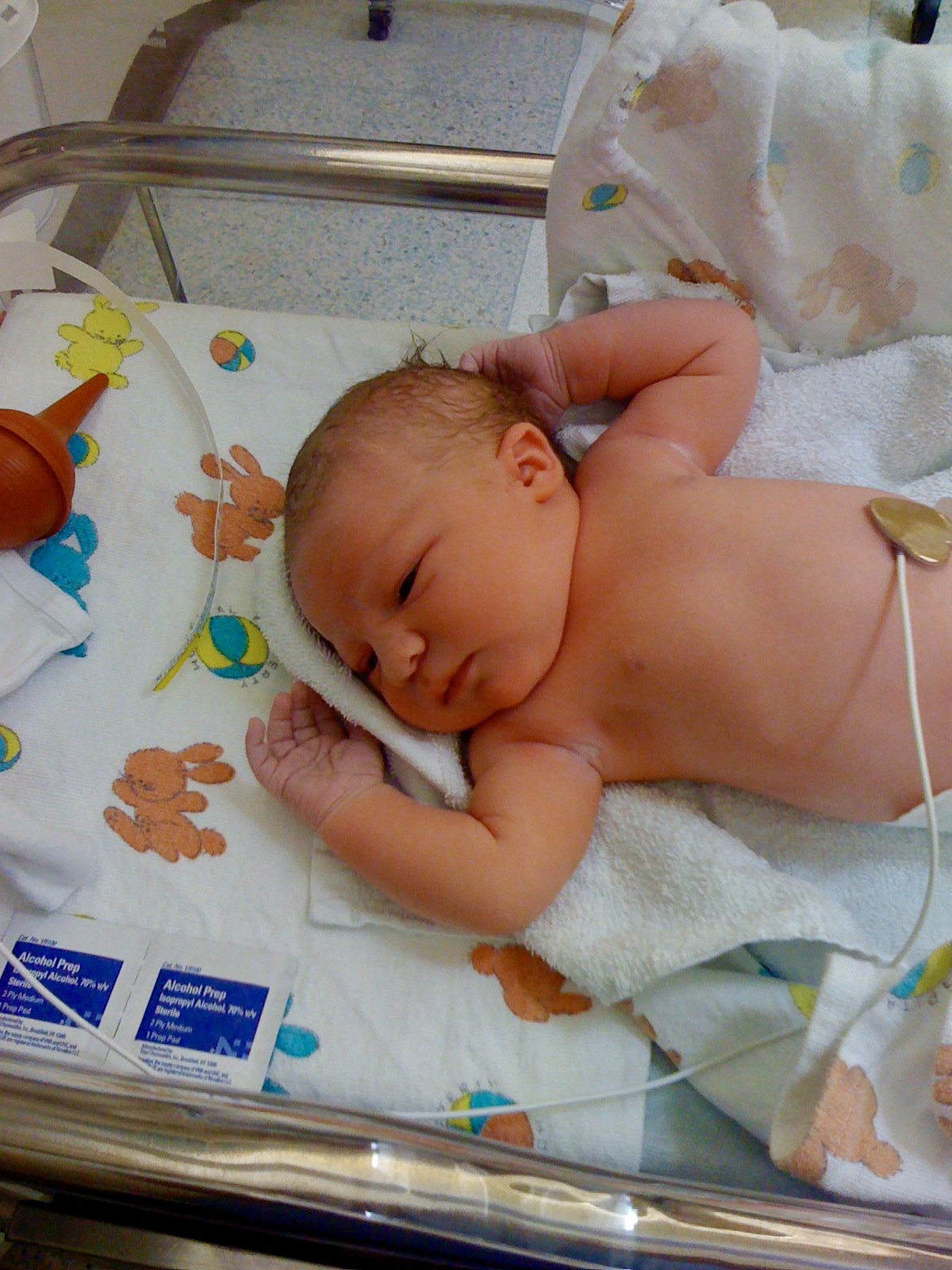
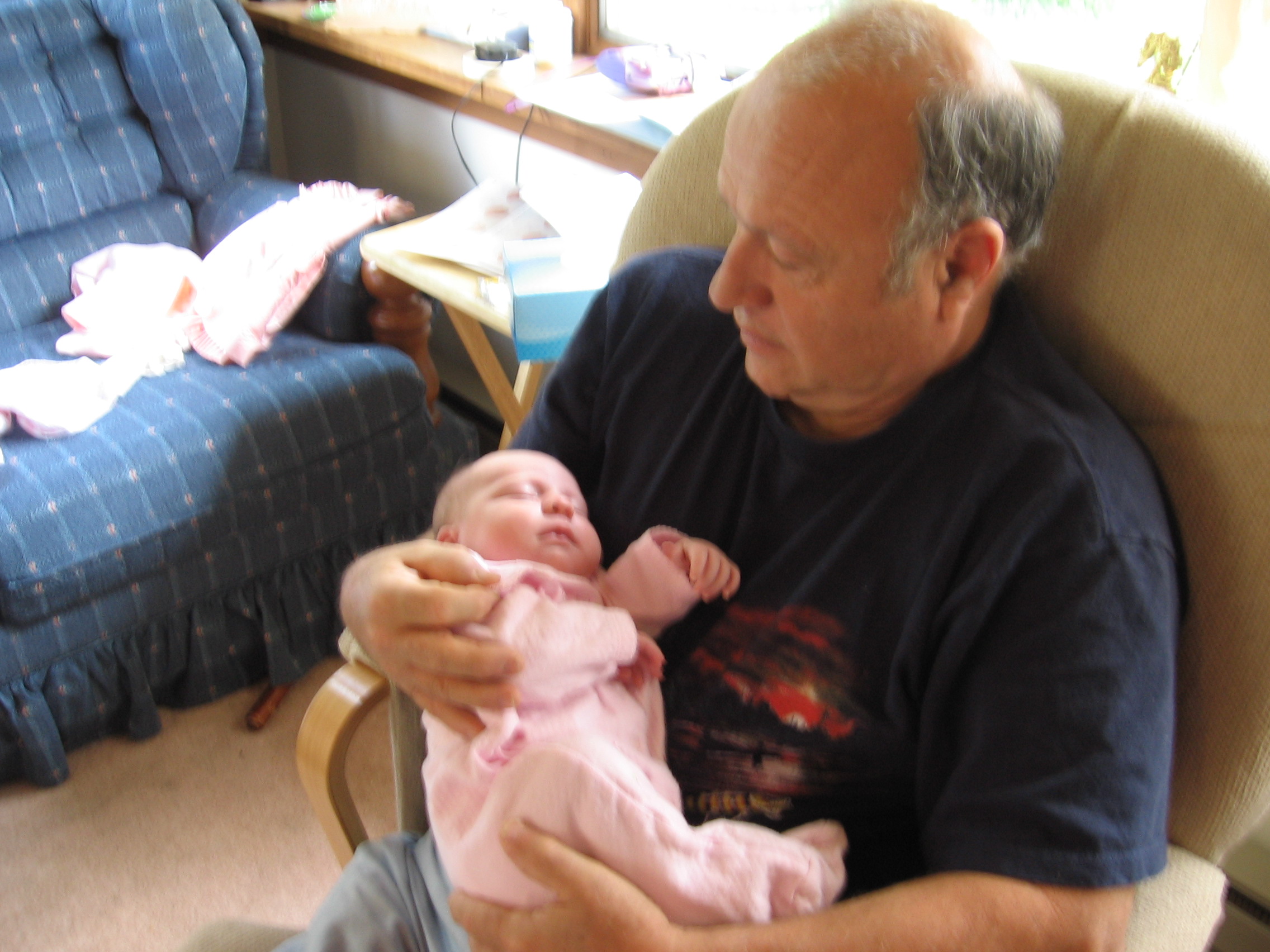
Amanda was born full-term on October 30, 2001, but the doctors immediately notice some abnormalities. They monitored her closely and realized she was not able to dispel material in her bowels. They believed she had Hirschsprung’s disease, which is when nerve endings are missing from the colon. Amanda was rushed to Hershey Medical Center, where she was to have a “pull-through” surgery in which they remove the portion of the colon that does not have nerve endings. When they started this procedure, they realized her appendix had ruptured at some point. Thus, instead of doing the pull-through procedure, they removed her appendix and gave her a colostomy. They also discovered the extent of her birth defects, including the lack of a bladder and a uterus. She spent four weeks in the NICU.
We were much more prepared for the NICU experience this time, but it was entirely different. There are basically two situations that cause a baby to be in a NICU. The first, as with Caleb, is being born prematurely. The second, as with Amanda, is having birth defects. As there are no private rooms (or any rooms) in a NICU, we had also learned a lot about the issues of birth defects while Caleb was in the hospital. That experience left me amazed at how many different things can go wrong in a developing fetus that will allow it to survive in utero but not after birth. Fetal development truly is amazing. During this time, I made regular drives between Hershey and State College and stayed quite a few nights in the nearby Ronald McDonald house. These are amazing, and if you want to consider giving to a charity, I would recommend this one. Fortunately, Rita’s parents were retired by this point and could stay with Caleb in State College. My parents also regularly came from Michigan, but my dad had not yet retired, and my mother was dealing with cancer.
On August 13, 2002, Amanda had her third surgery. Because she did not have a bladder, urine continually flowed from her kidneys through a urogenital sinus and out. The surgeons were worried about infection, so they gave her a vesicostomy, which was a surgically created connection between the urogenital sinus and the skin in Amanda’s case. Because she was only nine months old at this point, the urine was not collected in a bag but by her diaper.
Surgery #4 was on October 18, 2002. Because Amanda had a colostomy, there was no rush to perform the Hirchsprung’s pull-through procedure. Thus, the surgeons waited until she was almost a year old to perform this operation. The operation appeared to be successful, but we later learned that she has other bowel control issues that may or may not be related to Hirschsprung’s disease. The colostomy was left in place so the colon could heal. We had to dilate her anus each day for about a month. Rita couldn’t bring herself to do this, so I had to. It was not pleasant.
Once Amanda’s colon had healed sufficiently, on February 7, 2003, the surgeons removed her colostomy in the hope that she could have normal bowel movements. Unfortunately, while feces now moves through the colon and out, Amanda did not have complete control of when this happened.
After months of trying to diagnose what was causing Amanda so much abdominal pain, an ultrasound technician happened to scan a little higher in her abdomen than intended and realized Amanda had gallstones. Because no one suspected a five-year-old child would have gallstones, the doctors never thought to look. She then had her gallbladder removed on August 21, 2007. I was later accused of saying she was lying about her pain. In fact, Rita and I couldn’t figure out what was going on. Ultrasounds showed nothing, so we thought maybe it was stress-related or she was nervous about going–or not wanting to go–back to school.
At some point, the doctors also realized that Amanda had a tethered spinal cord. This happens when the very end of the spinal cord, which is essentially just the sheath that encases the nerves, gets entangled in the vertebrae. This is a problem because the spine grows faster than the spinal cord. Thus, if both ends are attached to something, i.e., the top to the brain and the bottom to the vertebrae, the spinal cord will get stretched as a child grows. This can then lead to neuro-muscular problems, especially in the lower extremities. This condition often resolves itself naturally so the plan was to monitor it and hope for that. After a few years, the neurologist decided that it was not going to fix itself naturally and the spinal cord was getting stretched to a point at which problems could develop. Thus, Amanda had surgery to untether her spinal cord. This sounds like a much more complicated and dangerous procedure than it really is. After shaving away a bit of the vertebra to access the entangled cord, the surgeon simply cuts the cord to release it. As there are no nerves in the spinal cord at this location, doing this does not do any neurological damage. The surgery was deemed a success, although as Amanda got older she started to have weakness in one of her legs. I don’t think it’s clear that the tethered spinal cord caused this but it seems like the natural culprit.
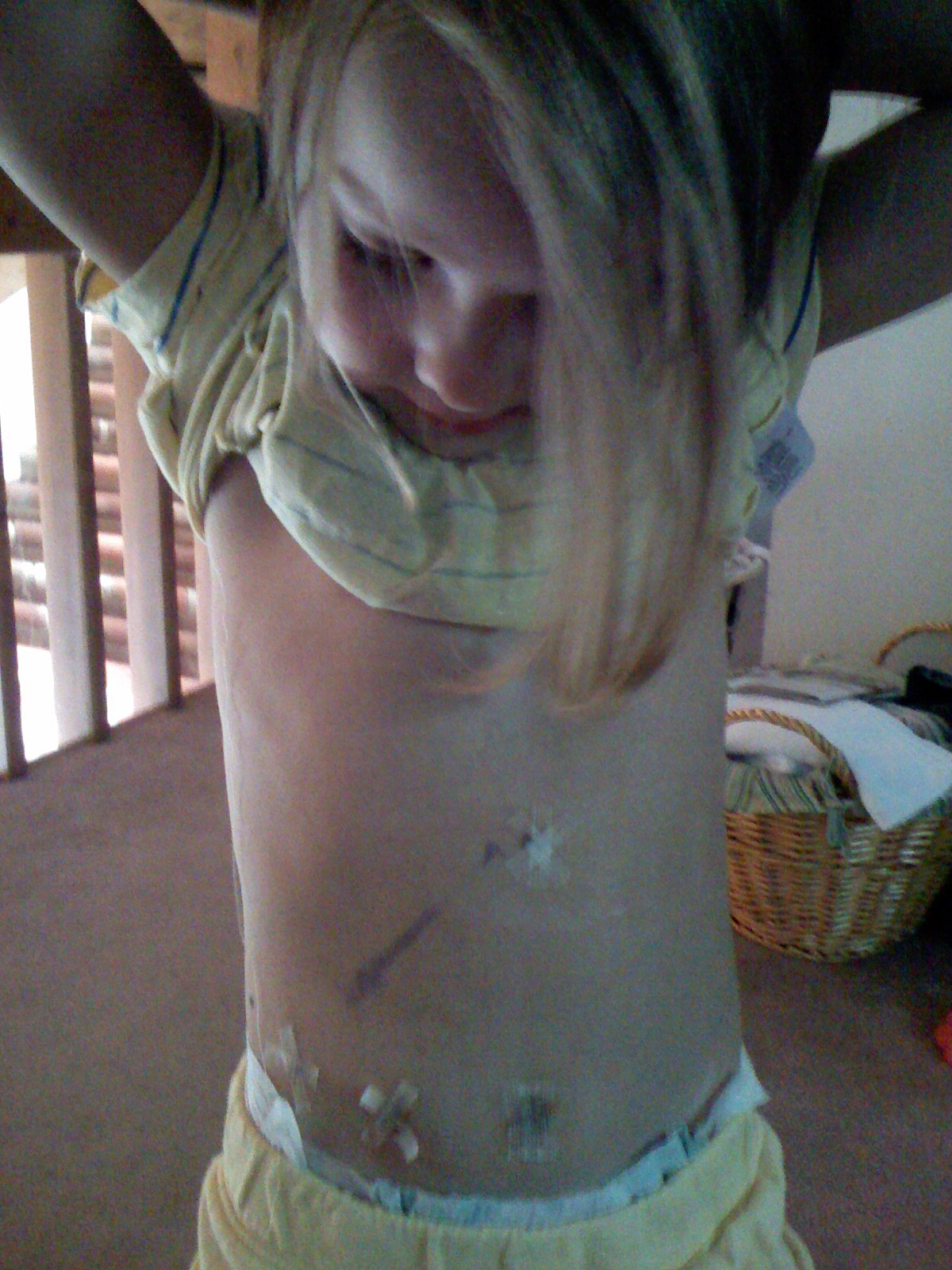
Because Amanda was born with essentially no bladder, on June 3, 2008, the pediatric urologist at Hershey Medical Center constructed one from bowel tissue. He put a port in Amanda’s abdomen in which someone can insert a catheter to empty the bladder; we had to do this every three hours. Thus, we would have to wake her up twice a night to empty her bladder. The plan was to slowly stretch this time out because being woken up every three hours was not good for anyone. The idea was to let the pressure in the bladder stretch the bowel tissue because it is not as compliant as normal bladder tissue. However, after a few traumatic episodes later in 2008, Amanda refused to go more than three hours at night. Although we did try to stretch it out so that she would only be awoken once per night.
These episodes started not long after Amanda recovered from surgery when we realized there was a problem with the channel connecting the port in her abdomen to the bladder. The surgeon had tried to make a valving mechanism so that when the bladder got full and expanded, the channel was pinched closed so urine did not leak out. The idea was that the catheter would push through this valve to release the pressure and drain the bladder. Unfortunately, on a few occasions and always at night when Amanda was sleeping, we would wake her and not be able to get the catheter in. Each time this resulted in a traumatic trip to the emergency room, and Amanda experienced a great deal of pain as her bladder distended. While the procedure to empty her bladder in this situation was simple—inserting a needle through the abdominal wall—the emergency room doctors always had to talk to the surgeons in Hershey to be certain of the procedure and where to insert the needle. Thus, on November 18, 2008, Amanda had another surgery in which they discovered the channel would get kinked when the bladder was overly full and repositioned things to prevent this. During this surgery time, the surgeons also created a port that allowed us to flush Amanda’s bowels with an antegrade colonic enema or ACE.
Amanda started having more trouble emptying her bladder at the end of 2012. It was the same issue as before; we could not get the catheter in, and we would have to take her to the emergency room. Again this always happened at night. I argued strongly that we should simply leave the catheter in at night since we were not following the bladder-stretching protocol. I ultimately sent the surgeon a long email about the issue and that I thought not leaving the catheter in at night was doing Amanda (and our family) much more harm than good. He agreed and said it was fine to leave the catheter in. Rita viewed this as an unacceptable compromise because it might make the value leak, and refused to do it. My thought was that if the valve did start leaking slightly, it was really no big deal. Amanda’s classmates were not going to think she peed her pants if her shirt just under her ribs was slightly wet. Plus, we could always put gauze over the stoma to absorb anything that leaked. She’d feel the dampness before it would soak through to her shirt.
On June 19, 2014, the doctors performed the ninth surgery to again try to fix the valving mechanism, which had apparently changed as she grew.

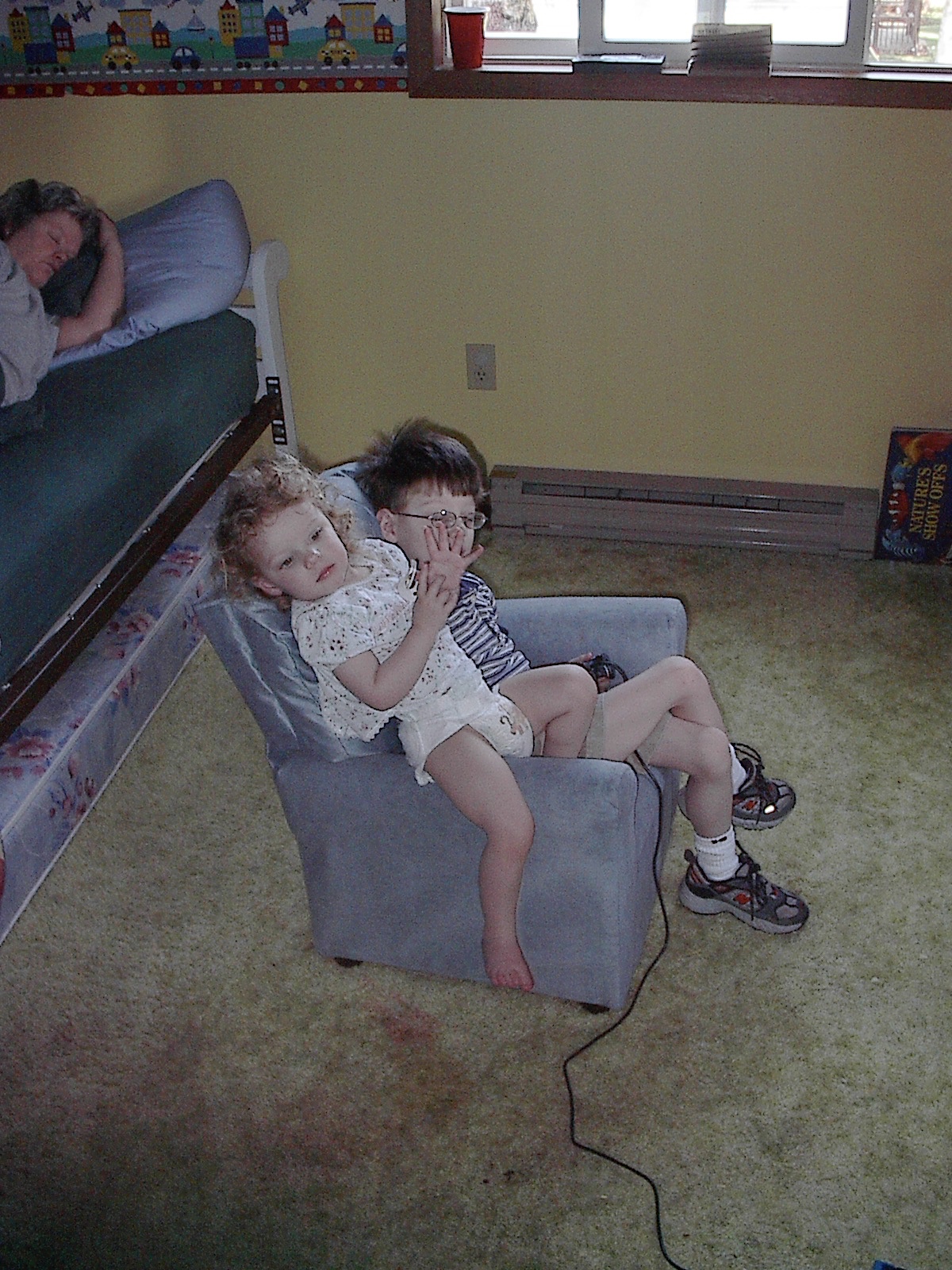


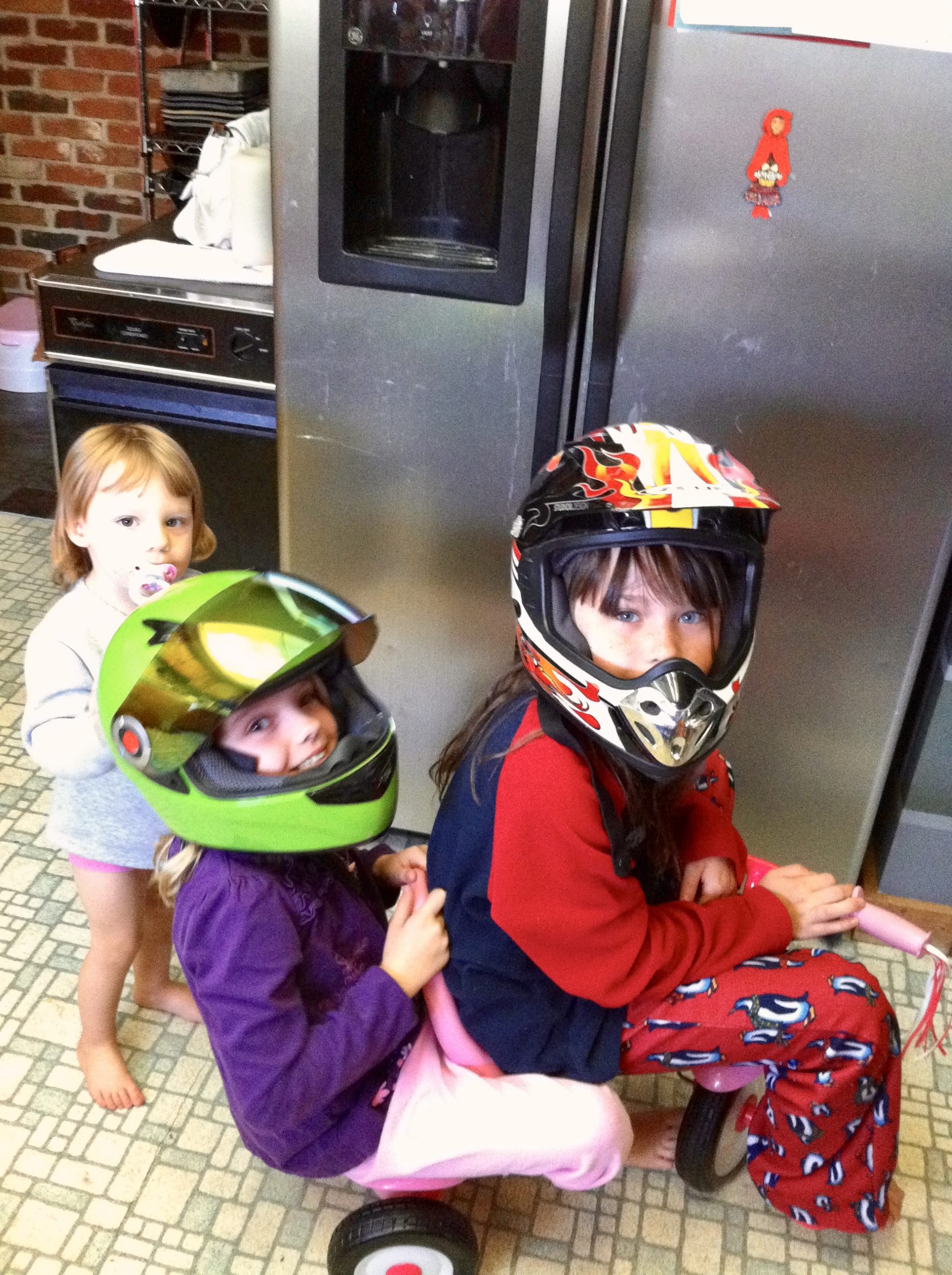
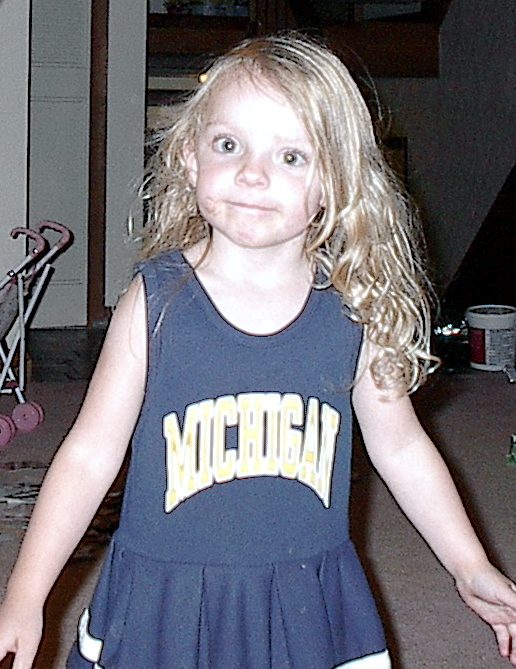

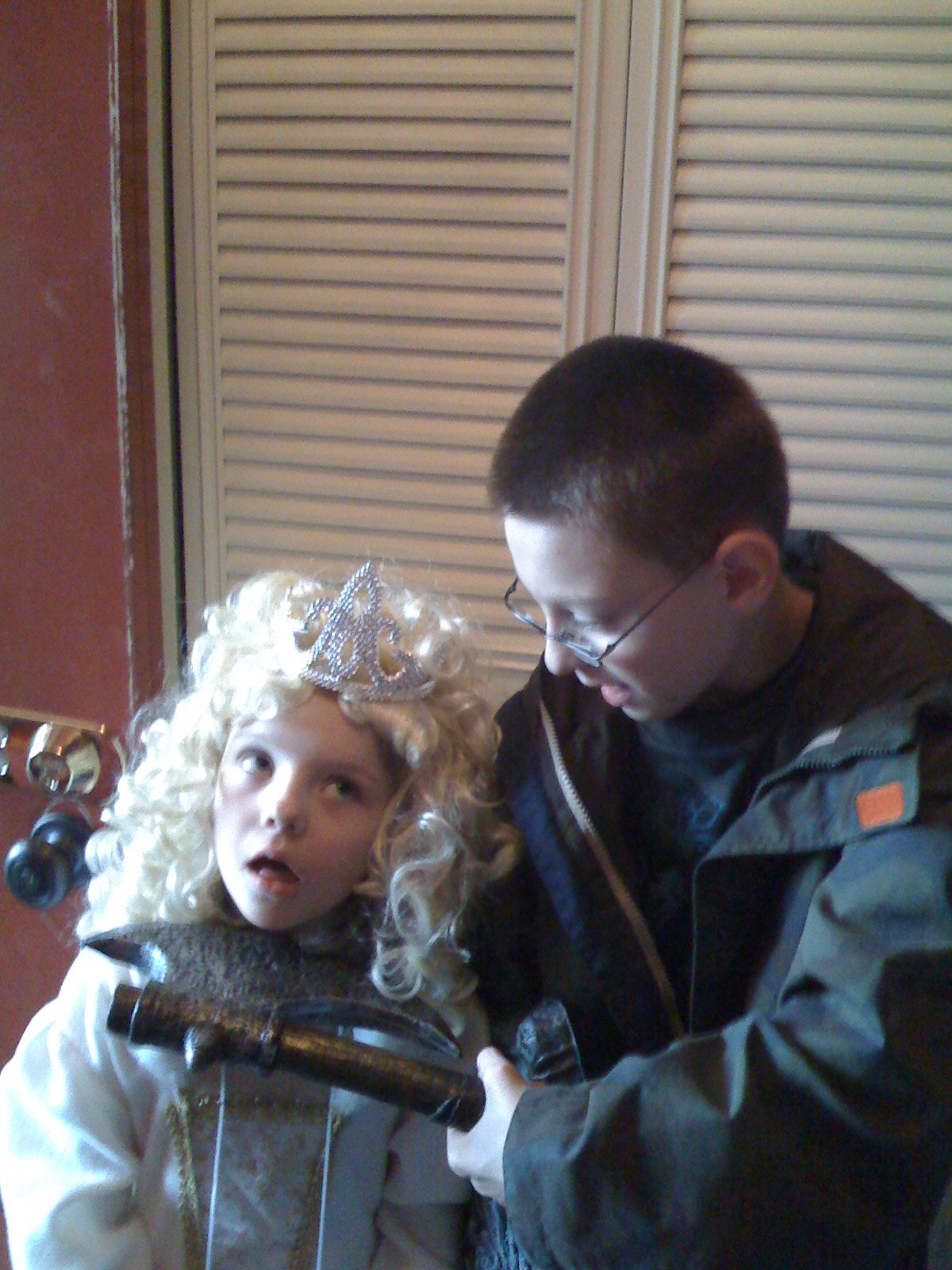
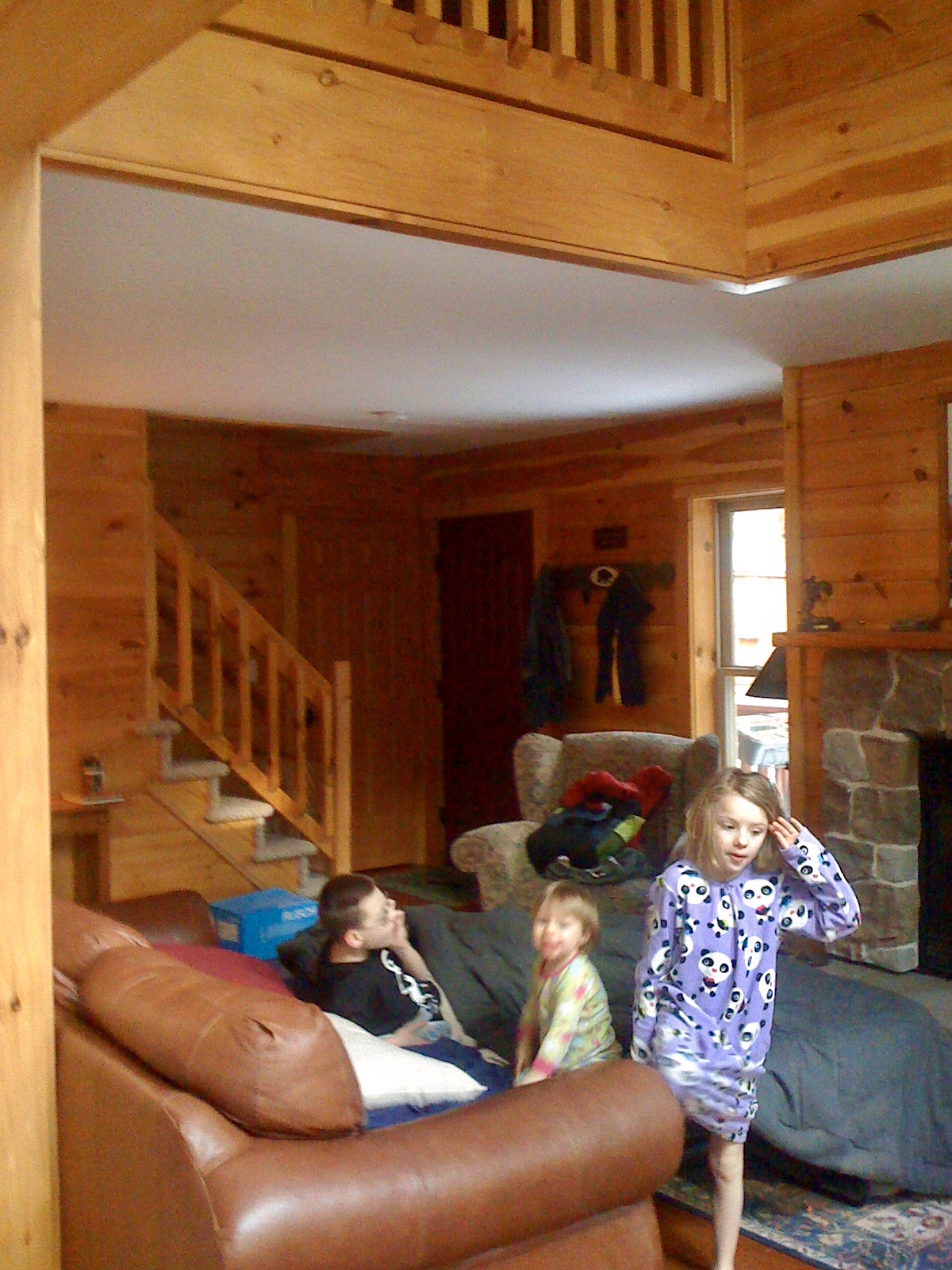
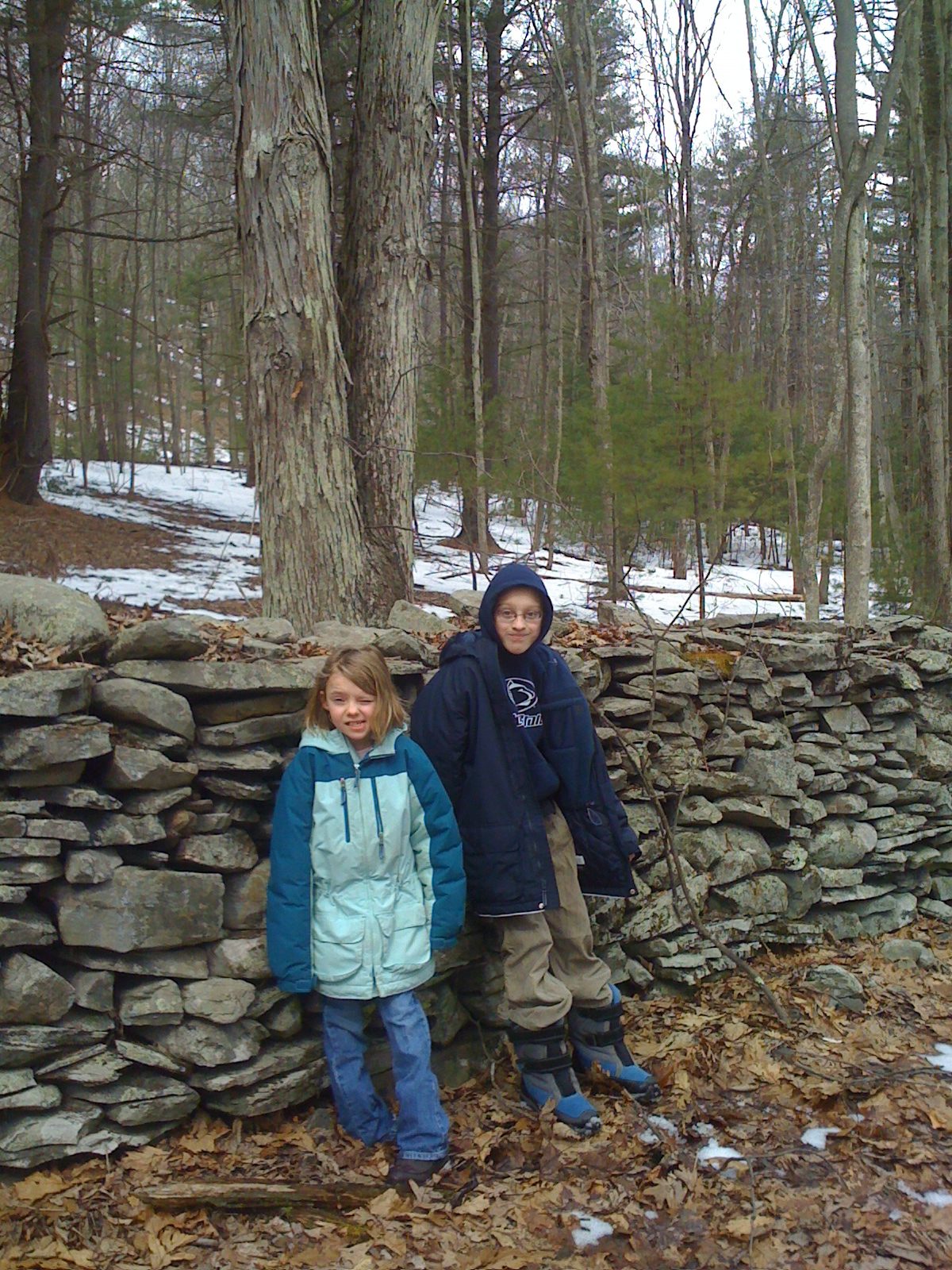

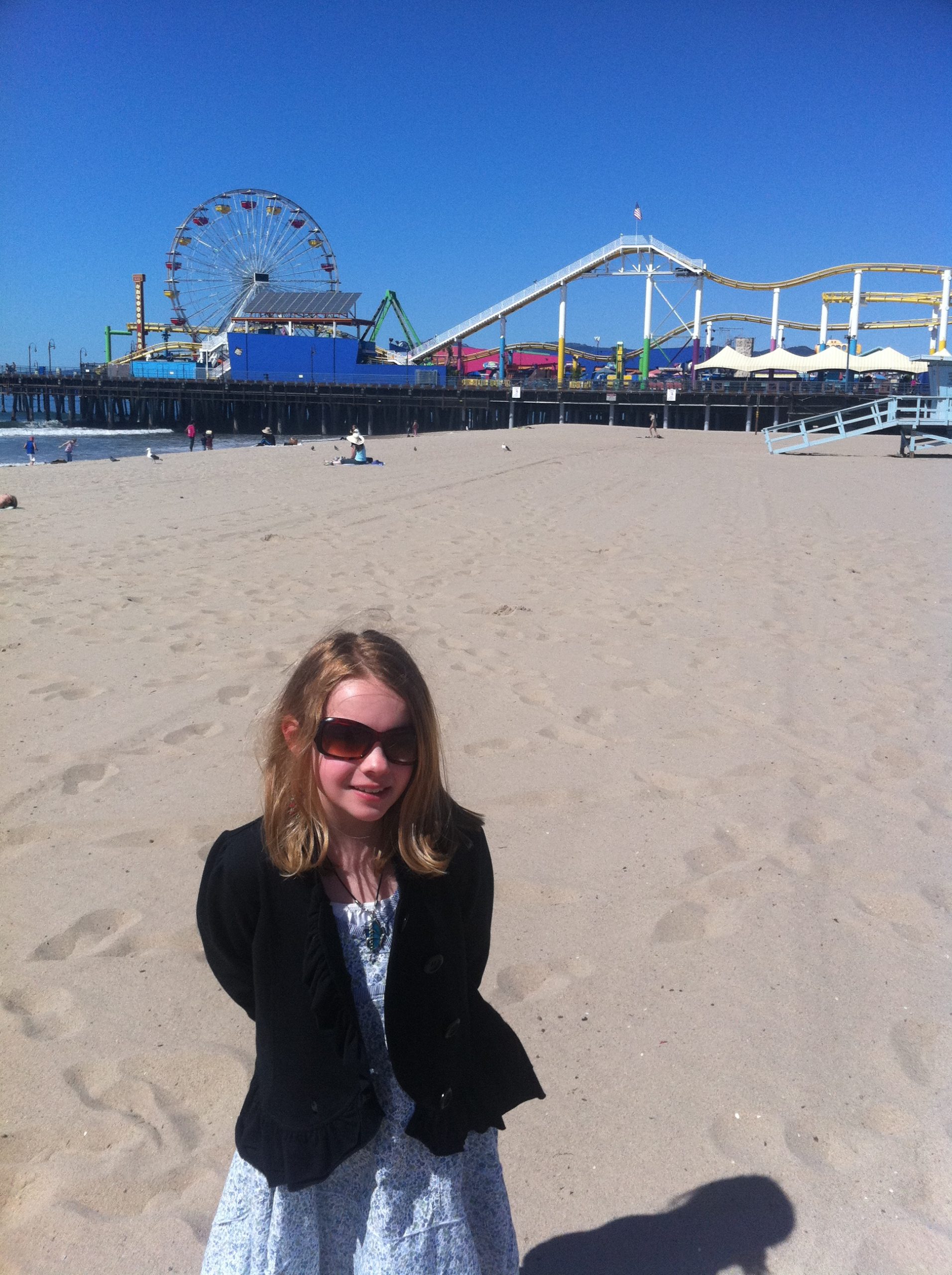


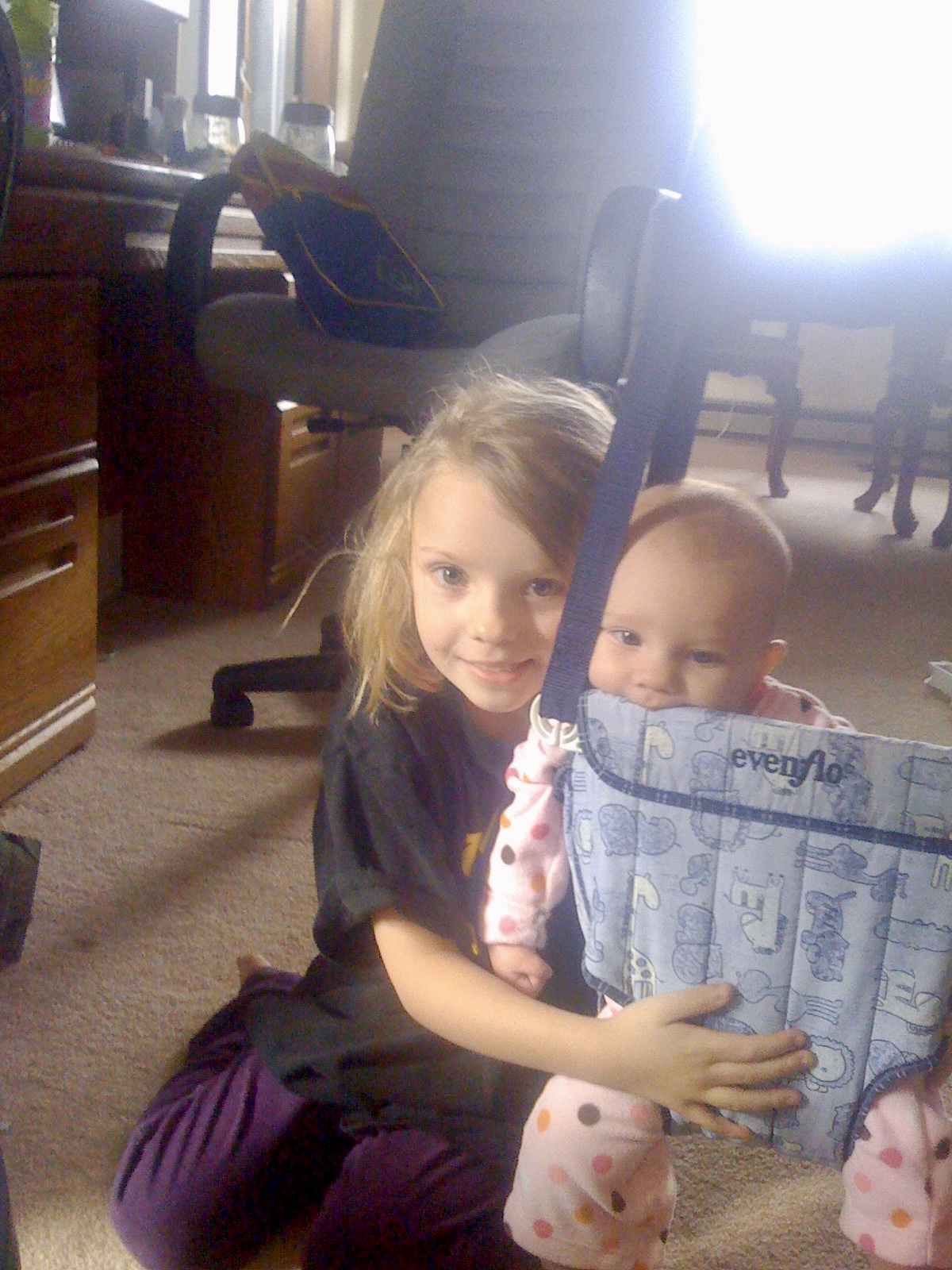
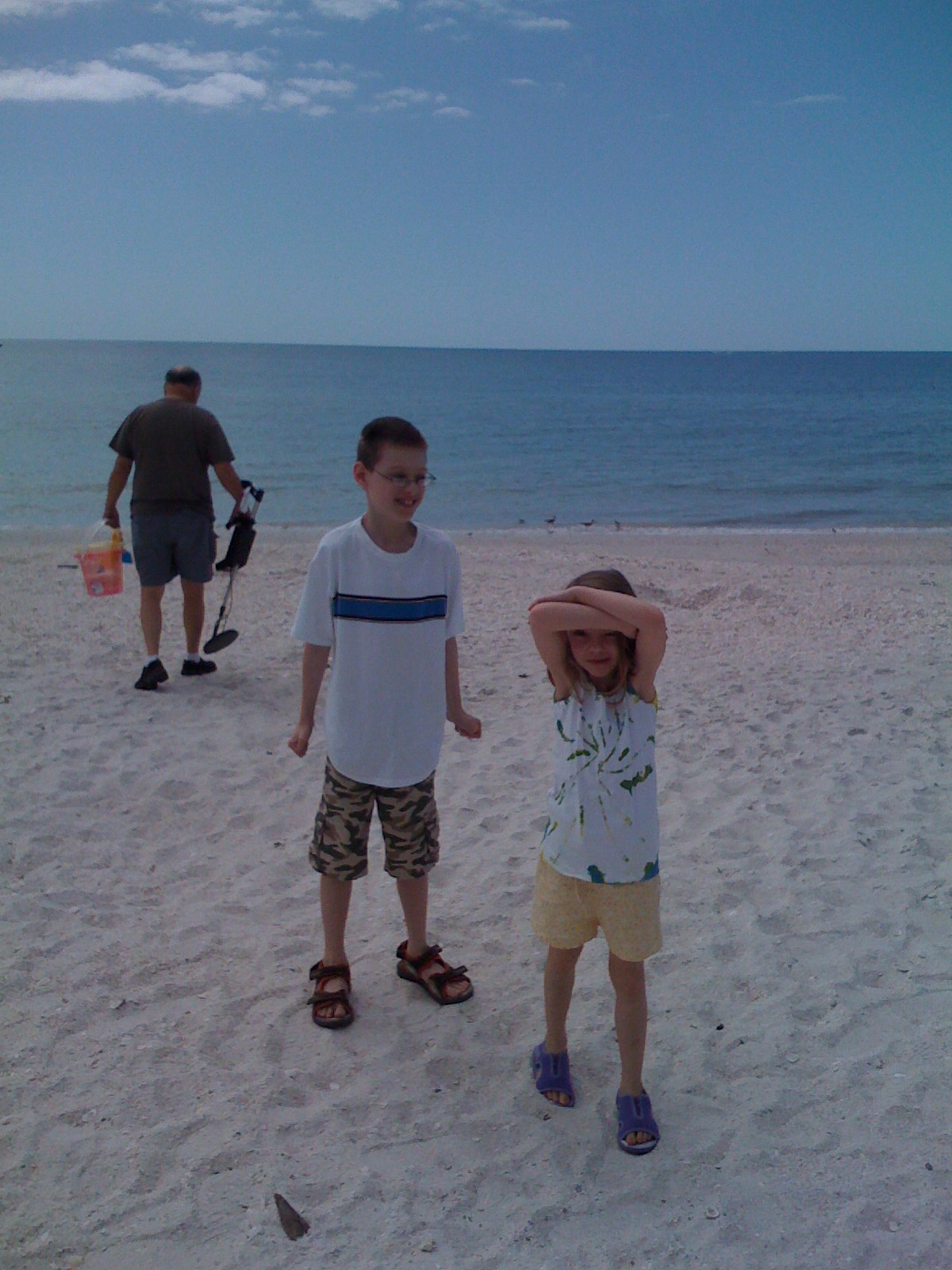
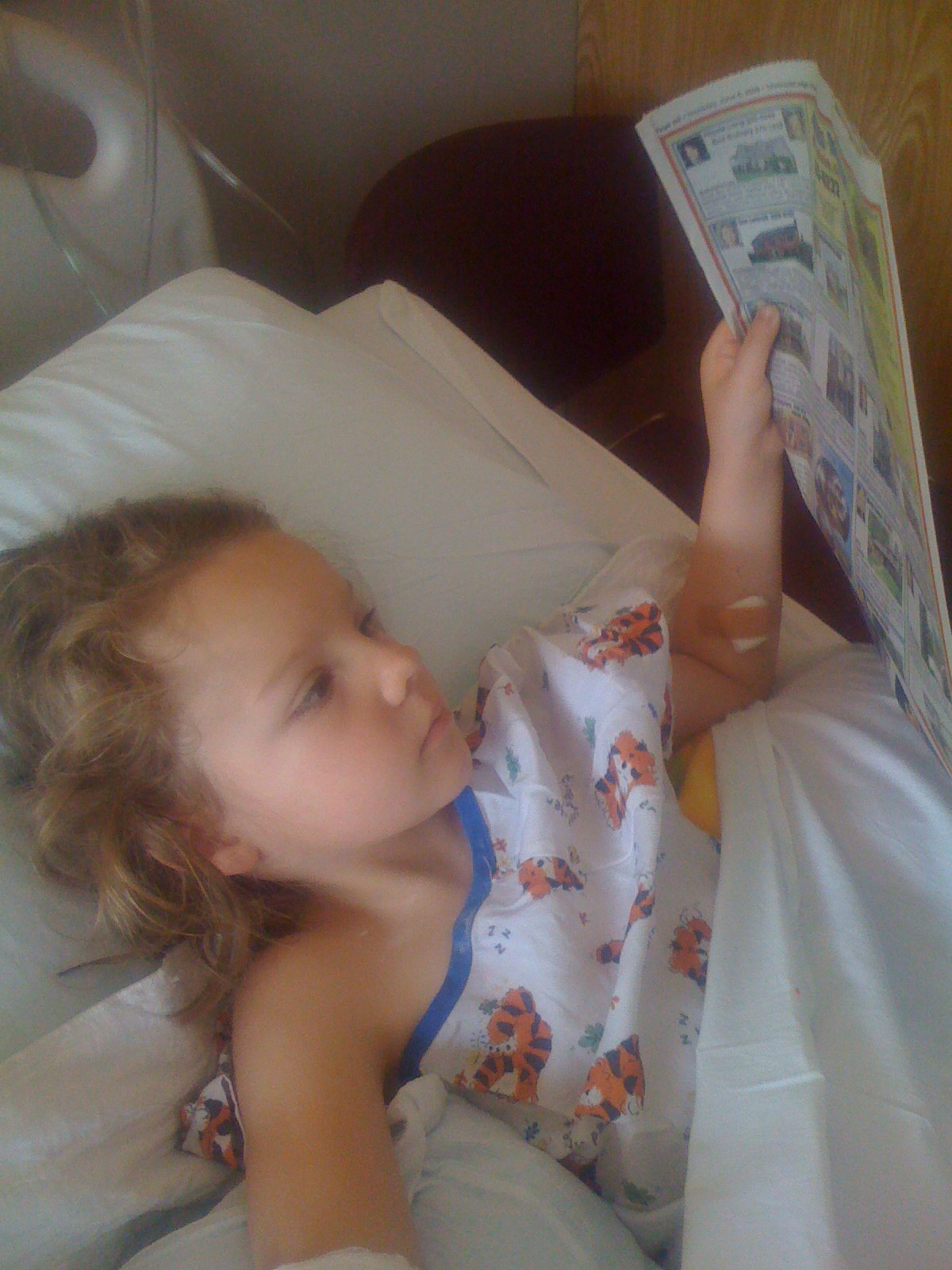
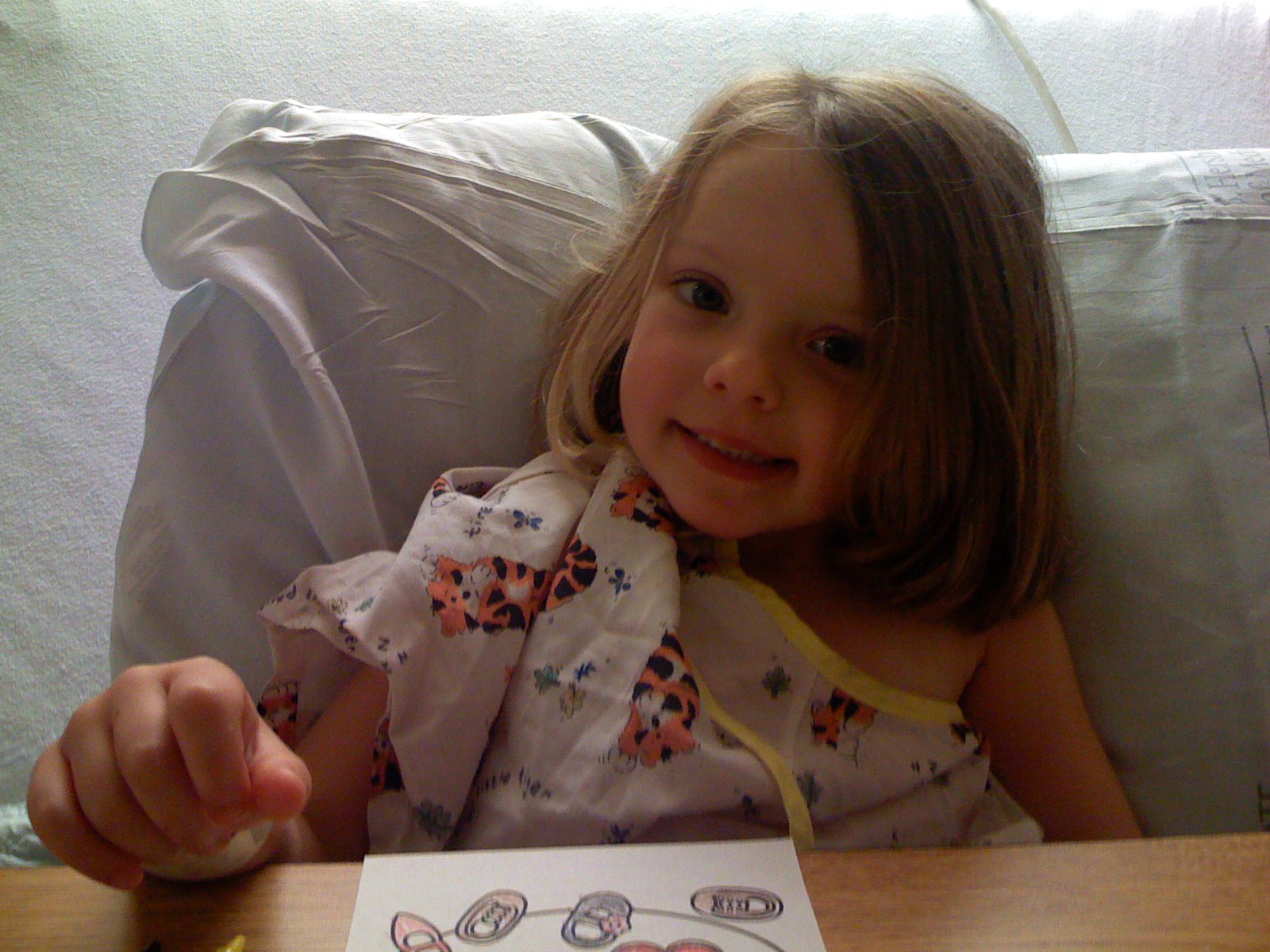
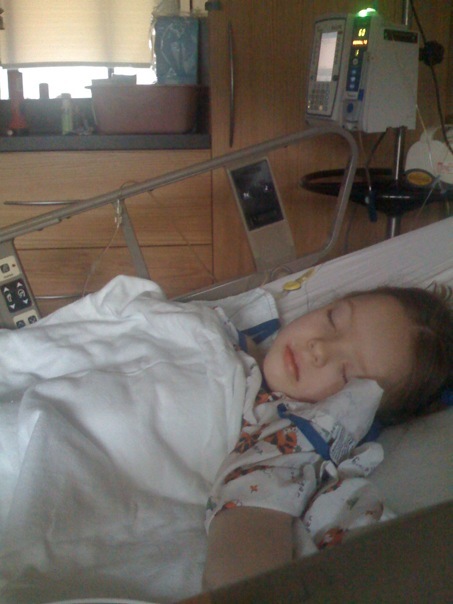
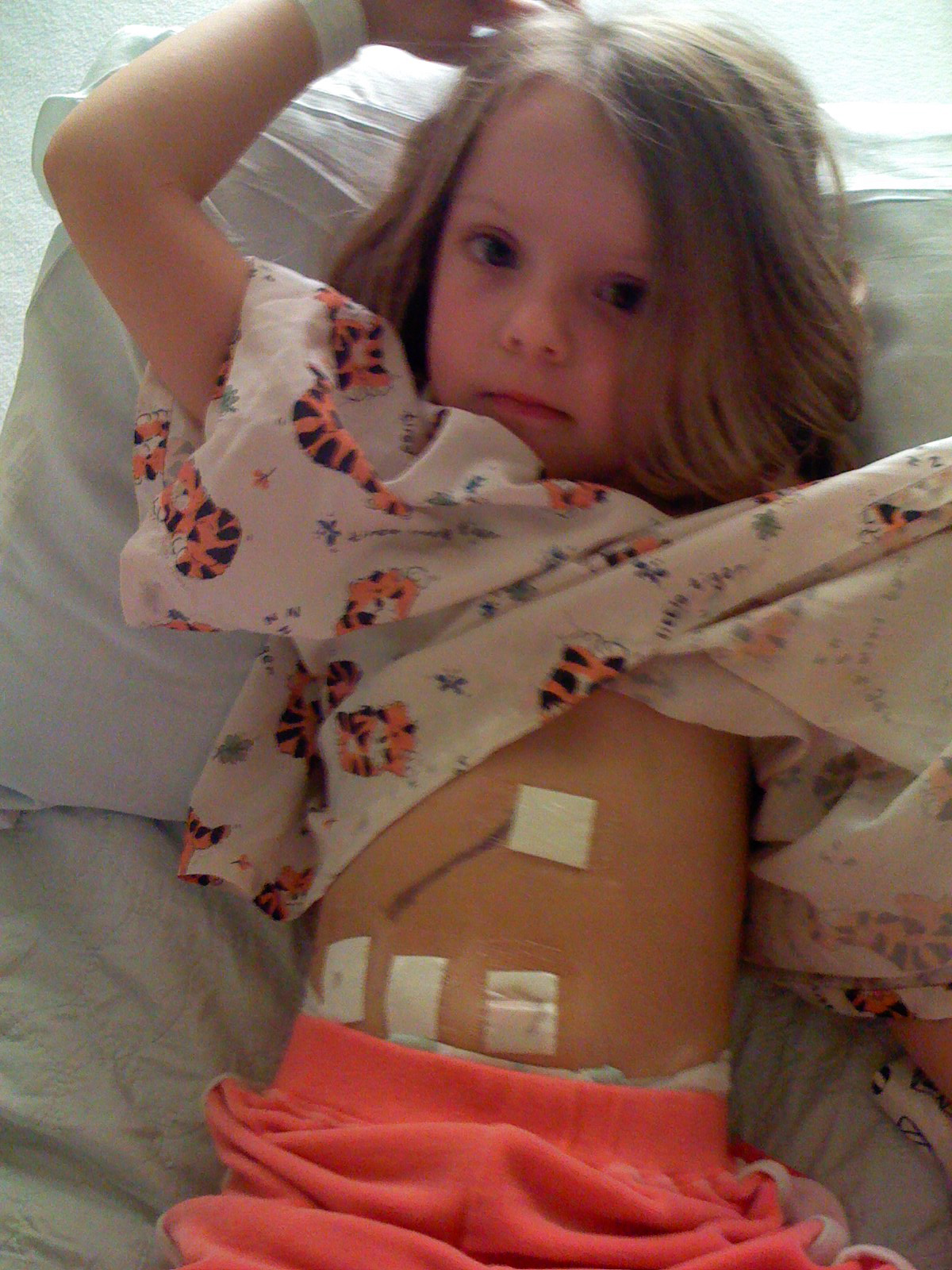

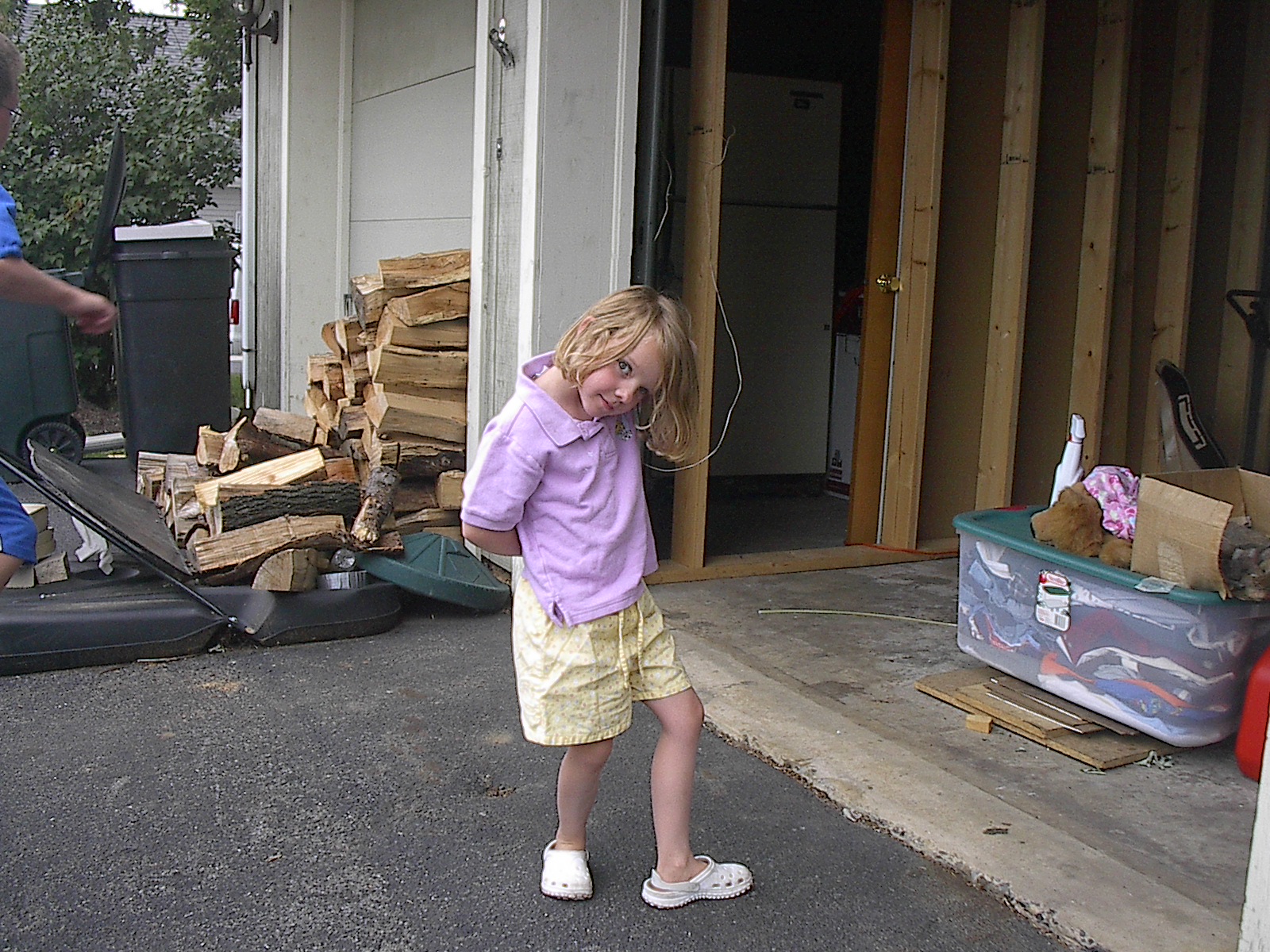
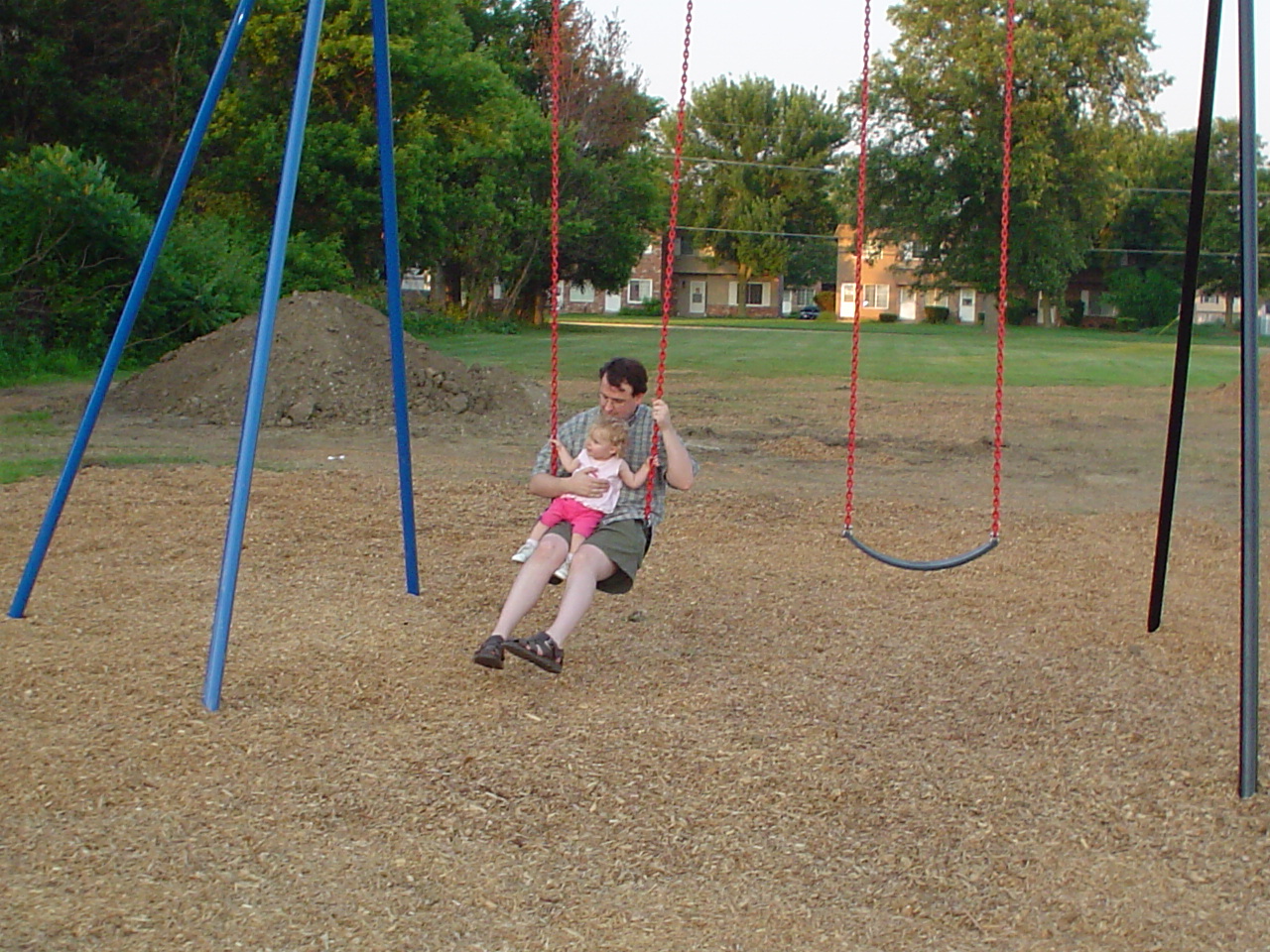
One of the most difficult things with Amanda when she was young is never really knowing if she was sick with some normal childhood illness, e.g., the flu, or if there was something more problematic going on. As a child, she could tell us what hurt but had no idea why or if it felt like something serious or not. She would also regularly get bladder infections even though she (mostly) used single-use catheters. As she got older, she, of course, learned more about anatomy and, in particular, her peculiar anatomy, and is much better at distinguishing and helping diagnose what might be going on.
I think a big part of the marital problems stems from Amanda’s health issues. I obviously do not blame Amanda or anyone for these and hope she does not think I do, although, at one point during the divorce, it was mentioned that she thought I blamed her. I do not blame her at all, but I think we did not handle it well. The lack of sleep simply weighed on everyone over time. This was especially true for Rita (and Amanda) since Rita never trusted that I would wake up; I’m a very sound sleeper. This led to some arguments between Rita and me because I felt if she was always going to get up even when it was my turn, why should I get up too? Rita would then get mad that I wasn’t ‘helping’ her, but it wasn’t a two-person job, and there was no sense in both of us being sleep-deprived. Not surprisingly, Rita wound up being very grumpy all the time. I’m sure Amanda likely overheard Rita and l debating how to handle things. I just hope that she does not feel like she caused the marital problems. She couldn’t help the situation, and Rita and I did not deal with it well.
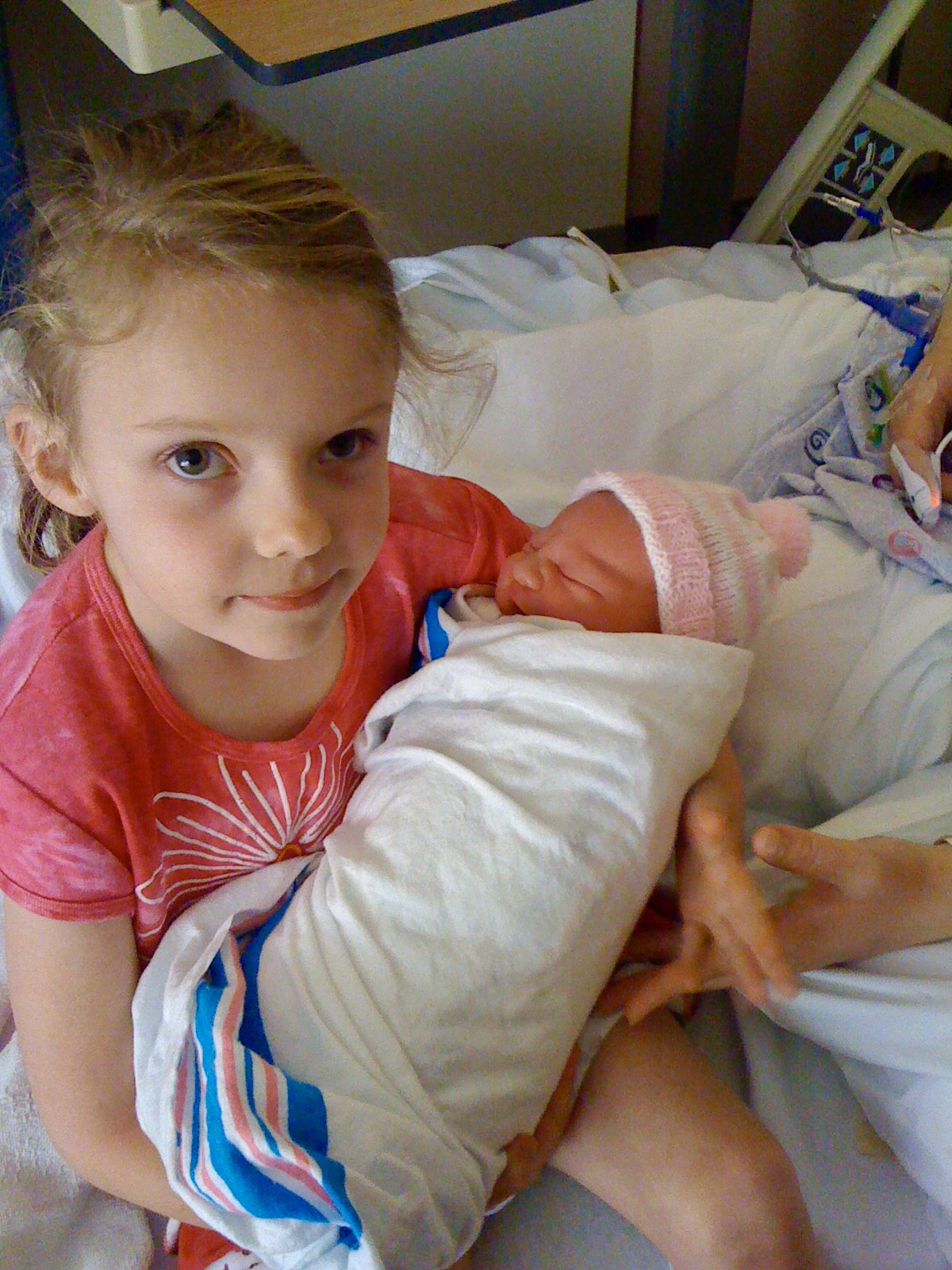
On April 22, 2008, Amelia was born… without having to be rushed to the NICU. Rita wanted to try one last time to have a “normal” pregnancy and birth. Fortunately, it worked out that way, and there really isn’t anything notable to say about her birth. I recall, however, when we first told Caleb and Amanda that Rita was pregnant with Amelia. We were thinking they would be really happy that they’d have a new brother or sister. However, as we told them and the news settled in, we could see the worry in their eyes, and they both started to cry. They then started asking us if we could take care of a third kid and telling us how hard it would be. They were worried that there wouldn’t be enough food. We were not at all prepared for this response, but we assured them things would be fine.